

A self-built room costs more and takes longer
Cooling, UPS, fire suppression, access control, private lines, rack load and cabling are all your cost, and the build takes a long time.
A large upfront spend still may not meet long-run standards
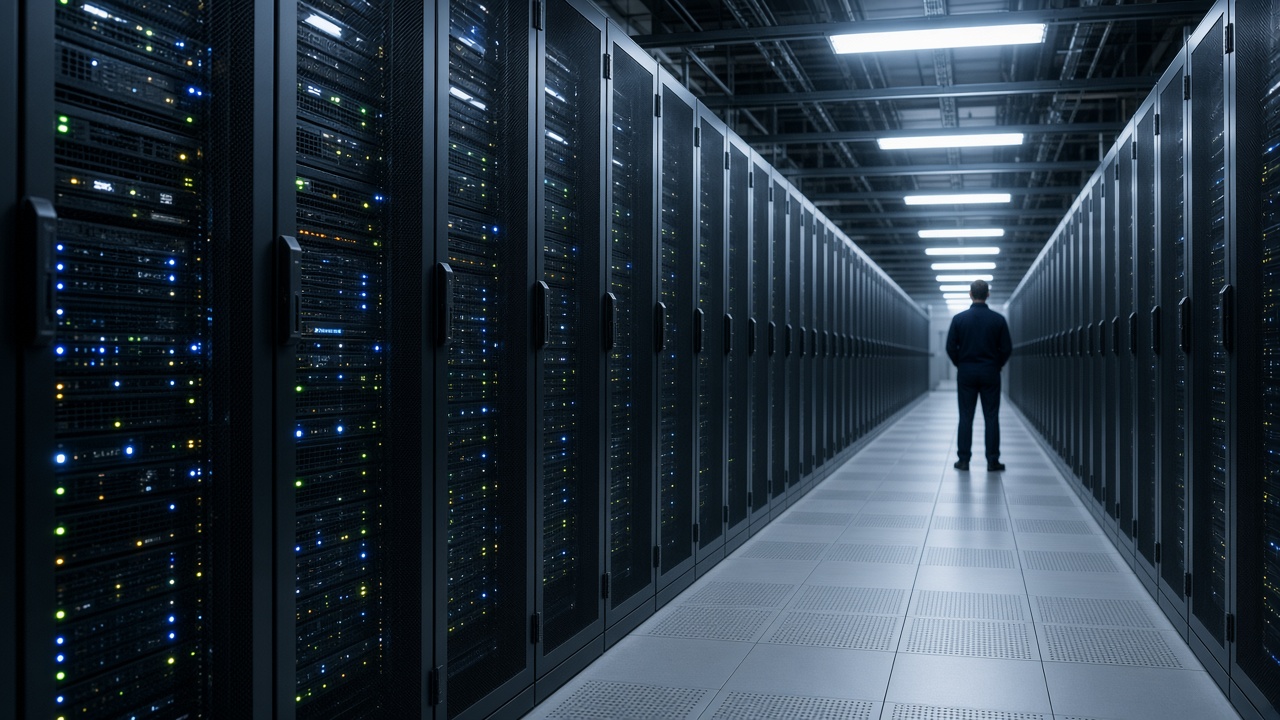
Solutions Technical solutions Colocation
Rack rental, power protection, on-site engineers
Place your own equipment in a professional room. Scale from a single unit to a full rack. Racks, power and bandwidth are quoted to fit, and on-site engineers handle the install.
Install support included. Space and schedule are confirmed to fit.
Room conditions, power, network and on-site care decide whether the service stays online.
Cooling, UPS, fire suppression, access control, private lines, rack load and cabling are all your cost, and the build takes a long time.
A large upfront spend still may not meet long-run standards
A single utility feed drops the service in an outage. A failed air conditioner heats the room. A short power quota blocks more equipment.
One outage or heat spike damages both hardware and data
Without an out-of-band path, a reboot, a system install or a disk swap waits on the room schedule.
Even a disk swap waits on the room schedule
Mainland visitors on a plain international path see evening loss. Overseas delivery needs a large enough exit.
Slow pages and drops show up in conversion
Colocation does not include buying servers. The work is space, power and the install schedule.
Step 1
From the model, rack units and power draw, we propose the space and the power quota.
Your equipment sits in a unit or a full rack. The room supplies power, cooling, network exit and physical care.
Space follows EIA-310 / IEC 60297. Power quota follows rated draw and how many power supplies the device has.
Six colocation spaces. Racks, power and bandwidth are quoted for the row you choose. Use Get a quote on the right.
| Rack | Power (A/B) | Bandwidth and exit | IP | Starting price |
|---|---|---|---|---|
| 1U space 44.45 mm high |
Feed A only, unless the device is dual-corded | Shared exit, premium CN2 or HK line | Shared room block | |
| 2U space 88.9 mm high |
Feed A only, unless the device is dual-corded | Shared exit, premium CN2 or mainland-optimized line | Shared room block | |
| 4U space 177.8 mm high |
Feed A only, unless the device is dual-corded | Shared exit, premium CN2 or international BGP | Shared room block | |
| Half rack About 21U, 933.45 mm |
One A feed and one B feed, on dual UPS | Dedicated exit, routes follow where visitors are | A separate block can be requested | |
| 42U cabinet 1,866.9 mm usable |
A and B feeds plus dual UPS, quota by draw | Dedicated exit, expandable to 10G and above | A separate block can be requested | |
| 42U cabinet, high draw GPU and dense gear |
A and B feeds; only dual-corded servers use both | Dedicated exit, sized to the peak | A separate block can be requested |
A colocation tier depends on rack units, power quota, route and term. A higher draw can move the quote by a whole tier.
Monthly, yearly and three-year rental cost, so you can compare it with buying your own equipment.
| Baseline model | Monthly | Yearly at 15 percent off | Three years, same renewal rate | Per day |
|---|---|---|---|---|
| US-E3-1230v3 · 4C/8T · 32G · 1T SSD | $79 | $805.8 | $2,417.4 | $2.21 |
| HK-E3-1230V3 · 4C/8T · 32G · 1T SSD | $89 | $907.8 | $2,723.4 | $2.49 |
| US-E5-2650V4x2 · 24C/48T · 64G · 1T SSD | $169 | $1,723.8 | $5,171.4 | $4.72 |
| HK-Gold-6138x2 · 40C/80T · 64G · 1T SSD | $329 | $3,355.8 | $10,067.4 | $9.19 |
| US-SV-XL-E5-2697x2-12HDD · 24C/48T · 128G · 1T HDD ×12 | $1099 | $11,209.8 | $33,629.4 | $30.71 |
| MY-KUL-XL-E5-2683v4x2-4SSD · 32C/64T · 128G · 1T SSD ×4 | $3489 | $35,587.8 | $106,763.4 | $97.50 |
Yearly equals monthly times 12 times 0.85. Three years equals that yearly figure times 3. Per day equals three years divided by 1,095 days. Use the figures when comparing a rental with buying your own hardware.
Five places colocation usually fails, and what we do about each one.
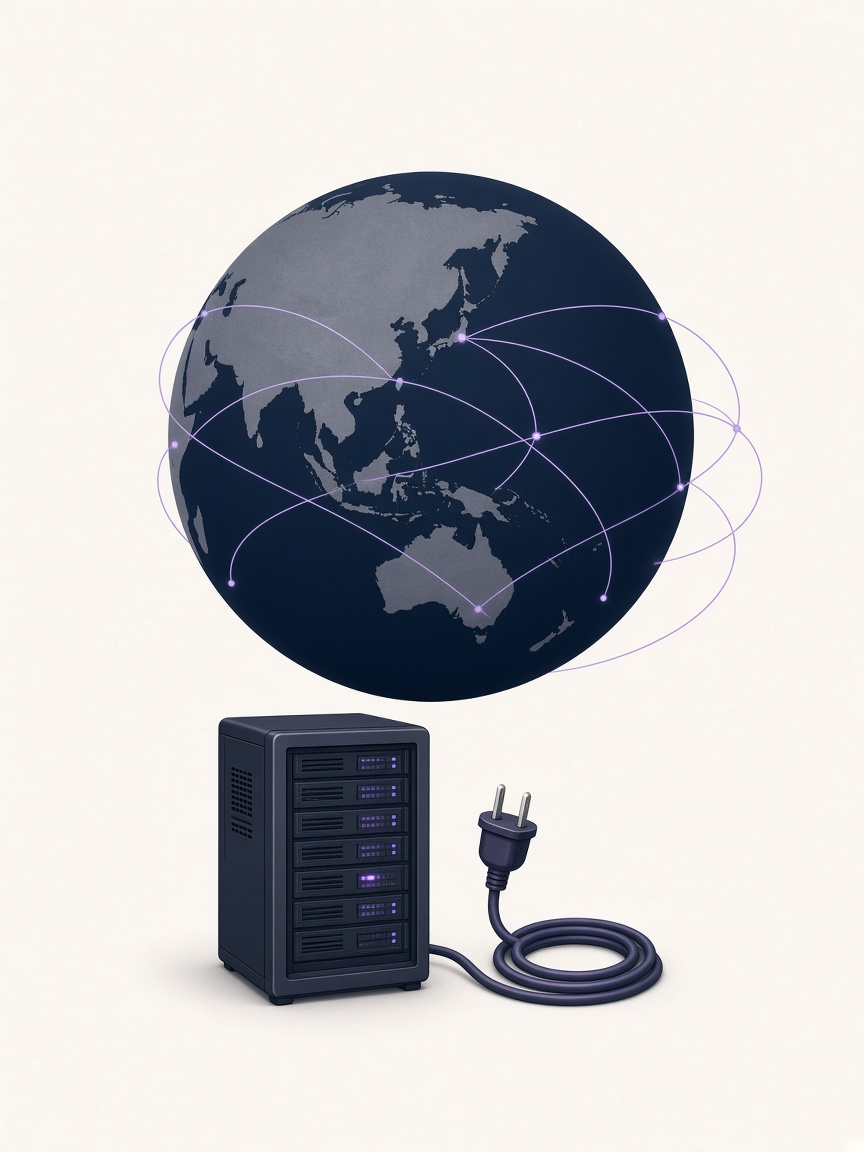
Look at space, power, cooling, the room and the route separately. Space grows from 1U to a full rack. Power follows device draw. The exit follows where visitors are.
Combine 1U, 2U and 4U spaces with a half rack or a 42U cabinet, and add more as the workload grows.
What this means for colocation: You do not have to buy every unit on day one.
Dual utility, dual UPS and a generator sit in sequence. Rack quota follows device draw.
What this means for colocation: A utility fault does not have to stop the service at once.
N+1 precision cooling stays on, and temperature and humidity stay in the normal range.
What this means for colocation: Hot months do not have to force the gear to slow down.
On-site engineers rack, cable, reboot and replace parts. Out-of-band access covers remote work.
What this means for colocation: A reboot or a part swap does not wait on a room queue.
Premium CN2, Hong Kong lines, a mainland-optimized line and international BGP follow where visitors are. The exit can grow.
What this means for colocation: Mainland and overseas access improve together.
Once the gear is in the room, response time and the path to add capacity decide the experience.
Reboots, part swaps, cabling and installs are handled on site, without a long hand-off.
We help with racking, cabling and the first system install. Standard delivery is 30 to 60 minutes. Custom work takes 1 to 2 business days.
Nights and weekends cover outages only. Power, temperature and network stay in view.
Power and network are designed with redundancy. Network availability targets 99.9 percent.
Access logs, cameras and gas fire suppression are in place. Gear kept off site still needs a record of who can open the door.
Space, racks, power quota, bandwidth and IPv4 can change with the business.
Model and quantity, rack units, power draw, where visitors are, and the bandwidth you expect. Share that with an advisor. Within one business day you get a space, power and route proposal, plus a custom quote.
It depends on whether you already own the hardware and need to keep control of it. Colocation fits gear you have bought, special cards, or large storage, and you pay for space, power and bandwidth. If you have no gear yet, renting starts faster. You can buy later.
One or two devices fit a 1U, 2U or 4U space, and you pay for what you occupy. As cabling needs to stay together, plan a half rack around 21U. Many devices that need their own cabinet and lock use a 42U rack.
The rack connects to dual UPS, and the quota can be requested for the workload. Power and cooling follow a redundant design. High-draw gear needs more of both. Share rated draw and quantity when you ask, so the quota and the space are set before install. A short quota means you cannot add cards after the gear is racked.
The room is layered. Dual utility feeds the rack through dual UPS. If utility power fails, the UPS takes the load and the generator starts next. Cooling is N+1, and temperature and humidity stay in the normal range. On-site engineers handle the fault and report progress.
Power is counted per device, not per cabinet. A single-corded server uses only one feed, even when the cabinet has both A and B. Only a dual-corded server uses both feeds. Confirm the power-supply count before a high-draw machine is racked, or the quota and the second feed stay unused.
Installs follow the schedule. Engineers rack, cable, power on and install the first system. A standard setup is delivered in 30 to 60 minutes. Custom or unusual hardware takes 1 to 2 business days. Remote checks start once the rack-up is done.
All three depend on rack units, power quota, route, bandwidth tier and term. The combinations vary too much for one public price list. Share draw, how many units you need, and the bandwidth you expect. We return a configuration and a quote.
Once the gear is on an out-of-band path, IPMI or KVM can reboot, power-cycle and reinstall without waiting on the room schedule. Hardware swaps and cabling changes are done by on-site engineers.
One or two machines on a shared exit can use the room IP block. A half rack or a full cabinet can request a separate block. The exit can also be dedicated, sized to where visitors are, and expanded to 10G and above. For visitors in mainland China, use premium CN2 or a mainland-optimized line. For overseas visitors, use international BGP.
In the same room, space, cabinet, power quota, bandwidth and IPv4 can change with the workload. Moving from 1U to a half rack or a full cabinet is a re-rack and a re-cable by the on-site engineer. The system does not need a reinstall. A move to another room needs a new racking slot.