
All
- When to move from a Hong Kong cloud server to a dedicated server Cloud fits trials and elasticity. Dedicated fits fixed hardware and a stable port. Use concurrency, disk and noisy neighbors as the three upgrade signals.
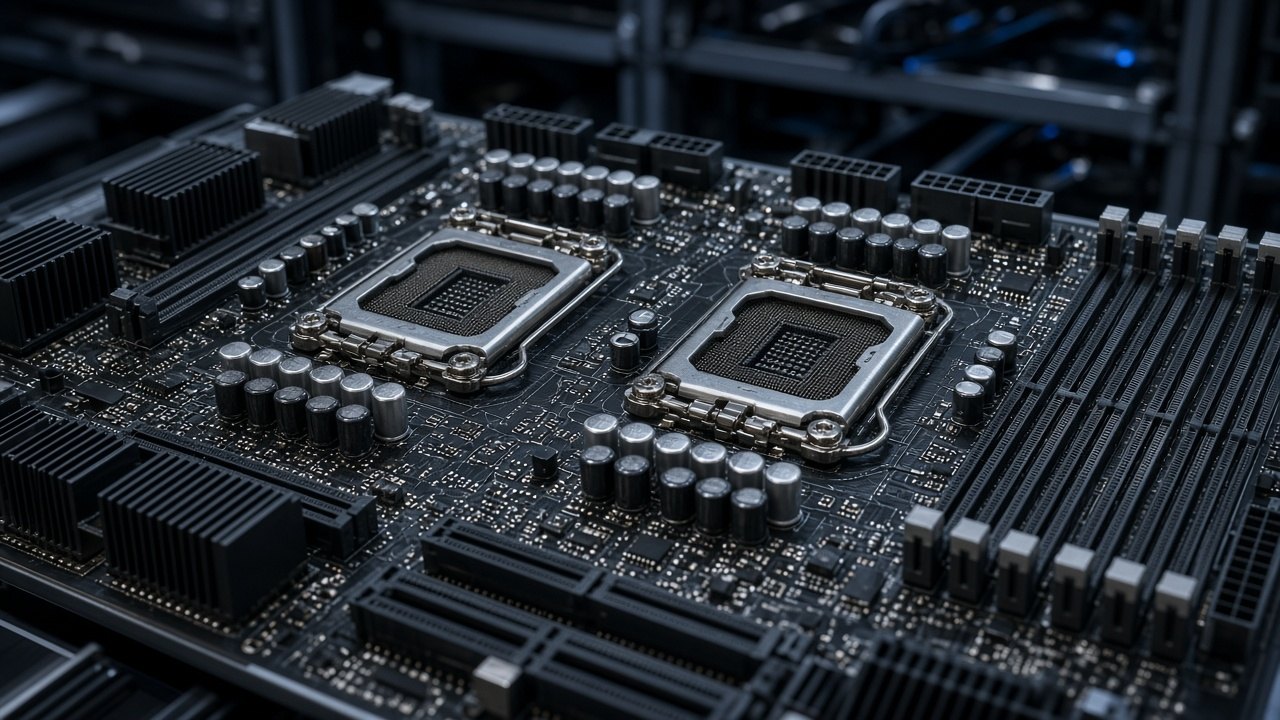
- How to choose single-socket vs dual-socket dedicated servers Single-socket fits sites and jump hosts. Dual-socket fits app-plus-database on one chassis. Dual sockets do not lower ping.
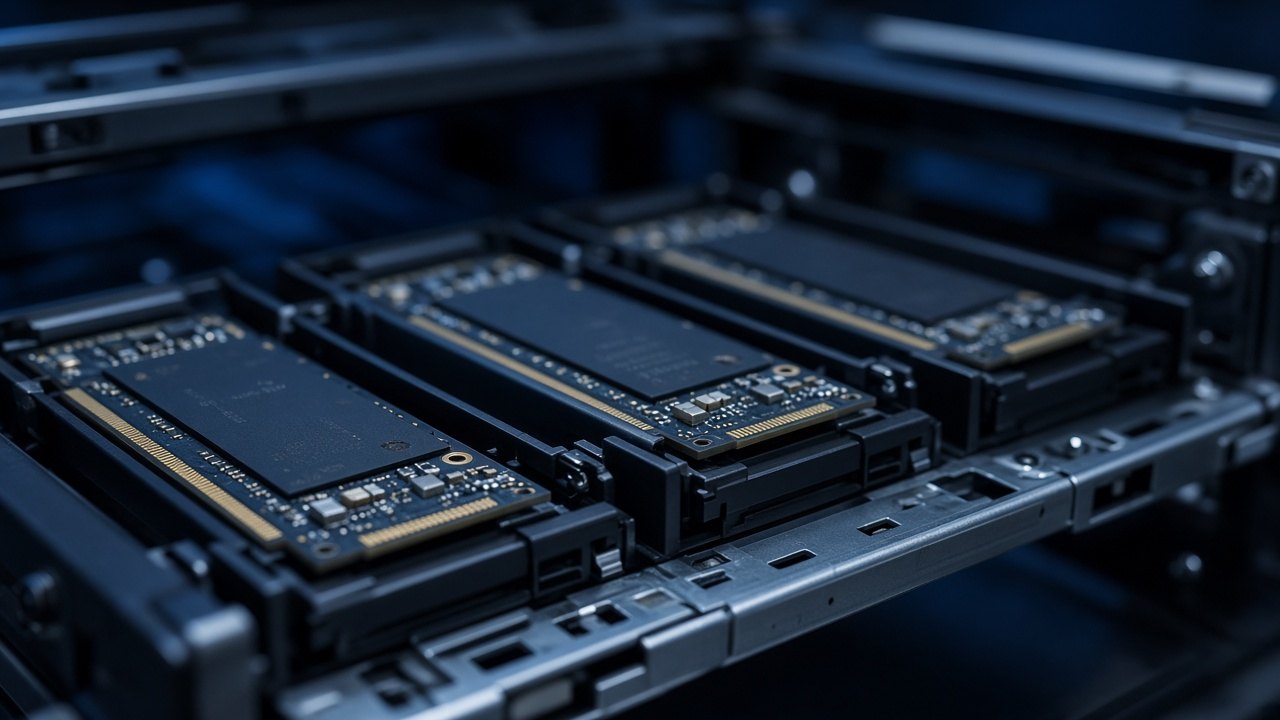
- How to pick dedicated server disks: SSD, NVMe and XL bays Split OS, data and backup roles. Do not buy XL to hide a weak CPU. Fix the backup window with disks, not cores.
- Los Angeles dedicated servers for North America sites Los Angeles fits North America and Asia-facing page layers. Use ST for multi-IP, DEF for scrubbing, and keep compute in San Jose when needed.
- Tokyo dedicated servers for Japan workloads Keep Japan visitors and matches near Tokyo. Hong Kong can hold login or South China entry, but not the long-term Japan primary site.
- Taipei and Seoul dedicated servers: do not bet Northeast Asia on Hong Kong alone Taiwan content and Korea logins each have closer cities. Keep South China on Hong Kong; place Taipei and Seoul for local open and return paths.
- Singapore dedicated servers as an ASEAN entry Singapore is for interconnect and callbacks. It does not replace Hong Kong for South China, nor Kuala Lumpur for local Malaysia payments.
- How to split Seattle and Los Angeles dedicated servers Los Angeles leans pages and stations. Seattle leans Pacific Northwest and trans-Pacific intake. Do not dual-write the same primary.
- When a DEF DDoS dedicated server is worth buying DEF buys scrubbing headroom, not a faster page. Without scans or event floods, spend on RAM, disks and the line first.
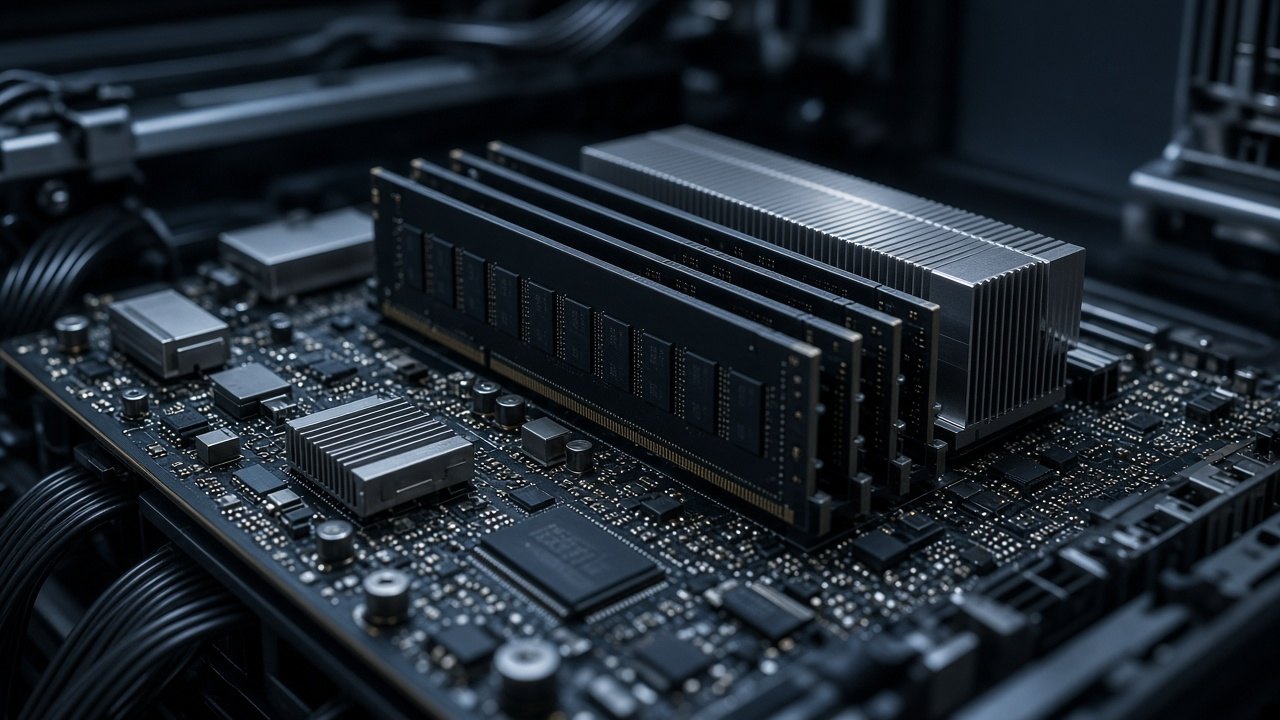
- Add RAM and bandwidth before a bigger CPU on dedicated servers Most sites hit RAM and the port before cores. Read the graphs first. A newer CPU will not fix a saturated NIC.
- How to choose a Silicon Valley dedicated server: San Jose from entry E3 to dual EPYC San Jose is the largest dedicated-server pool on the site. Pick by role — site, DEF, ST or XL — instead of swapping in Los Angeles or Dallas.
- How to read Hong Kong dedicated server SKUs: DED, ST, DEF and Gold Hong Kong dedicated servers are split by prefix. Match the role first, then the CPU. Do not price a station box against a DEF box.
- ST multi-IP servers: more addresses do not lower latency The ST prefix means multi-address delivery in Hong Kong, Tokyo, Los Angeles, Singapore, Taipei, Seoul and Seattle. Latency still follows the path. Do not park the database across a city from the sites.
- Hong Kong CN2 GIA and same-city lines: the latency gap is the return path Plain E5, DED, DEF, ST, GIA and two Hong Kong cloud servers can share a city. Metro latency is a few milliseconds. Shoppers feel return-path queues and shared cloud ports.
- Seattle and Los Angeles servers: Pacific latency follows the cable landing Seattle, Los Angeles and Silicon Valley sit in the same 140–200 ms class toward mainland China. Seattle is often closer to a Pacific landing for Tokyo. Defense and multi-IP change cleaning and addresses, not the ocean hop.
- Seoul server latency: Korea and North China should not default to Hong Kong Seoul E5, ST, Gold and EPYC fit Korea and the North China direction. South China shoppers stay on a Hong Kong return path. Hairpinning through Hong Kong adds path, not stability.
- Taipei server latency: where the path differs from Hong Kong CN2 Taipei E5, Gold, EPYC and ST boxes match Hong Kong on CPU class. South China shoppers still belong on a Hong Kong return path. Keep on-island game processes in Taipei. Budget latency by direction and test evening TTFB.
- GPU dedicated servers in Dallas or Tokyo: from one 4090 to eight H100s Dallas fits US-resident training jobs. Tokyo fits East Asian inference. Do not price a 4090 against an H100, and do not host a shop on an eight-GPU box.